


Welcome Message from IAEM Canada

We’re Setting the New Standard for Emergency Preparedness in Canada
O n behalf of the International Association of Emergency Managers Canada Council, it is my distinct pleasure to welcome you to the first issue of this important publication.
This magazine represents a meaningful step forward for our profession. As emergency managers, we work in a world that is constantly evolving. Our communities face a growing array of risks, climate-driven disasters, public health crises, technological hazards and increasingly complex emergencies that test the limits of our systems and our resolve. In the face of these challenges, we must continue to adapt, collaborate and innovate. That is why this publication matters. It provides us with a dedicated space to share ideas, showcase best practices, highlight innovation and learn from one another as professionals united in service to the public good.
IAEM Canada is proud to support this initiative. Across the country, emergency managers are doing exceptional work, often quietly, often under pressure, and frequently with limited resources. This magazine presents us with a new opportunity to highlight that work. It allows us to celebrate accomplishments, learn from real-world experiences and reflect on the evolving nature of emergency management in Canada.
To the editorial team and everyone who helped bring this first issue to life, thank you and congratulations. Your commitment, vision and follow-through have produced something that will inform, challenge and inspire readers across our profession. It takes more than just co-ordination to build something meaningful; it takes dedication, purpose and belief in the value of our collective efforts.
To our readers, thank you for what you do every day. Whether you are an experienced practitioner, a student preparing to join the field, a volunteer or someone working behind the scenes in policy, logistics, operations or recovery, you are part of a larger national effort. Your contributions matter. Your commitment helps protect communities, supports those in need and strengthens the systems that allow us to respond to the unexpected. This magazine is for you. I hope you find its contents thought-provoking and energizing. I also hope you will consider contributing to future issues. Your insights, lessons learned and professional stories are vital to our shared understanding and growth.
IAEM Canada remains steadfast in its commitment to advancing our profession through training, certification, leadership development and advocacy. We are here to support our members, promote excellence and strengthen the national systems that safeguard Canadians. This magazine is a natural extension of that mission. It reflects our values of collaboration, professionalism and continuous learning.

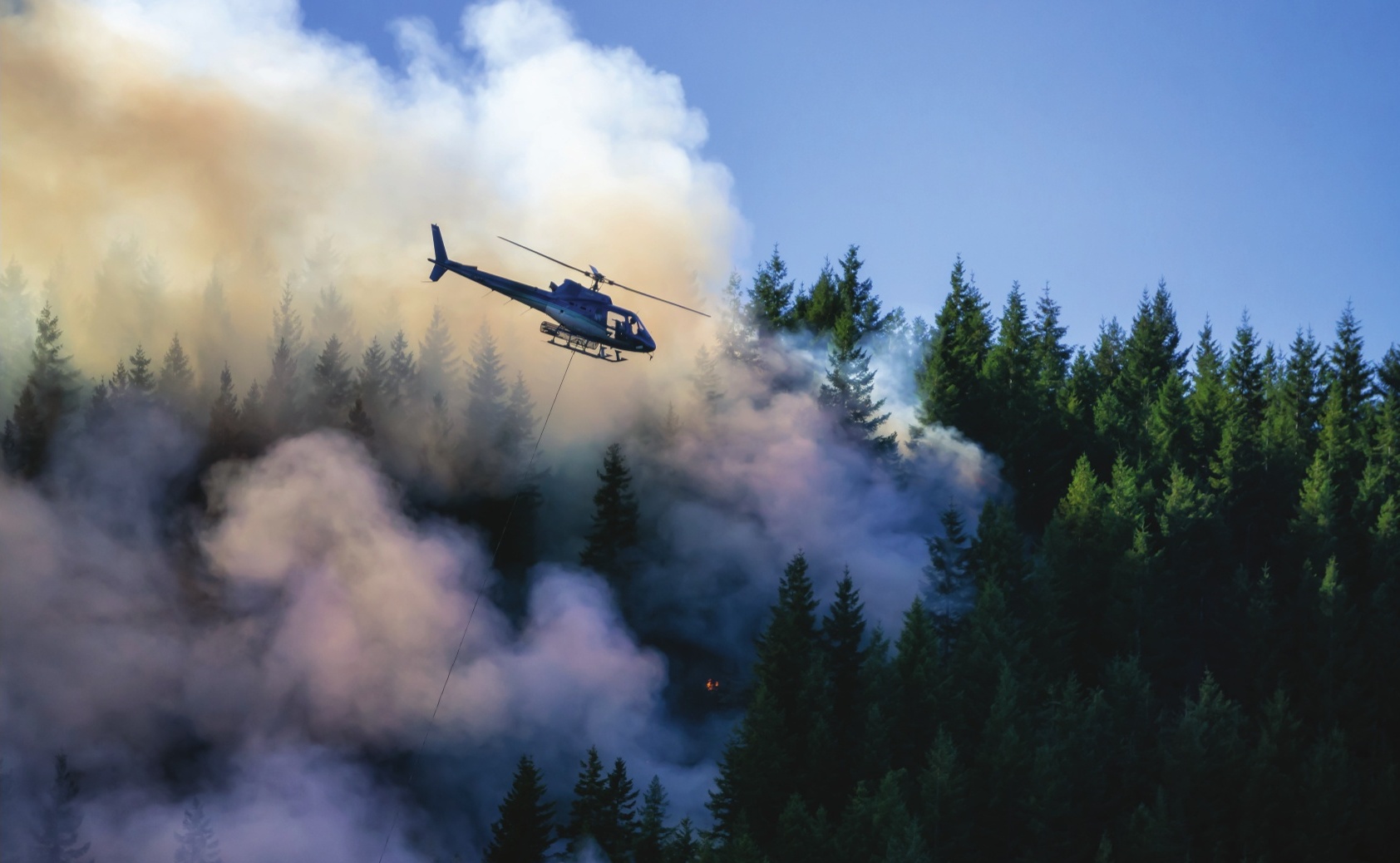
© freepik.com
Looking ahead, it is more important than ever that we find ways to connect. The recent cancellation of the Canadian Emergency Preparedness and Communication Association (CEPCA) Conference, while understandable, has left a noticeable gap in our community. CEPCA had provided a vital venue for networking, knowledge exchange and collaboration across disciplines. We want to acknowledge and thank the organizers for their past efforts and their continued support of our field, even as this year’s event could not proceed.
However, this cancellation also underscores a broader need. Canada’s emergency management community needs a national symposium or conference, a reliable, professional forum where practitioners, policymakers, academics and private-sector partners can come together regularly to discuss the issues that matter most. We need a space to showcase best practices, debate emerging trends, explore research and build the relationships that underpin effective co-ordination in times of crisis.
IAEM Canada is actively exploring ways to help fill that gap. Whether through a future symposium, expanded educational programming or collaborative national meetings, we are committed to ensuring that Canadian emergency managers have meaningful opportunities to learn, connect and grow. We cannot afford to operate in silos. We are stronger, smarter and more resilient when we work together.
Let this magazine be a symbol of that commitment. Let it remind us of what is possible when we pool our knowledge, share our stories and invest in one another as colleagues and partners.
Welcome to this exciting new chapter. Congratulations to all involved in bringing it to life. IAEM Canada is honoured to be part of this journey with you, and we look forward to what we will accomplish together. 
© TajdidProtik / shutterstock.com
Don’t Wait for a Disaster
Emergency Planning Must Be Proactive
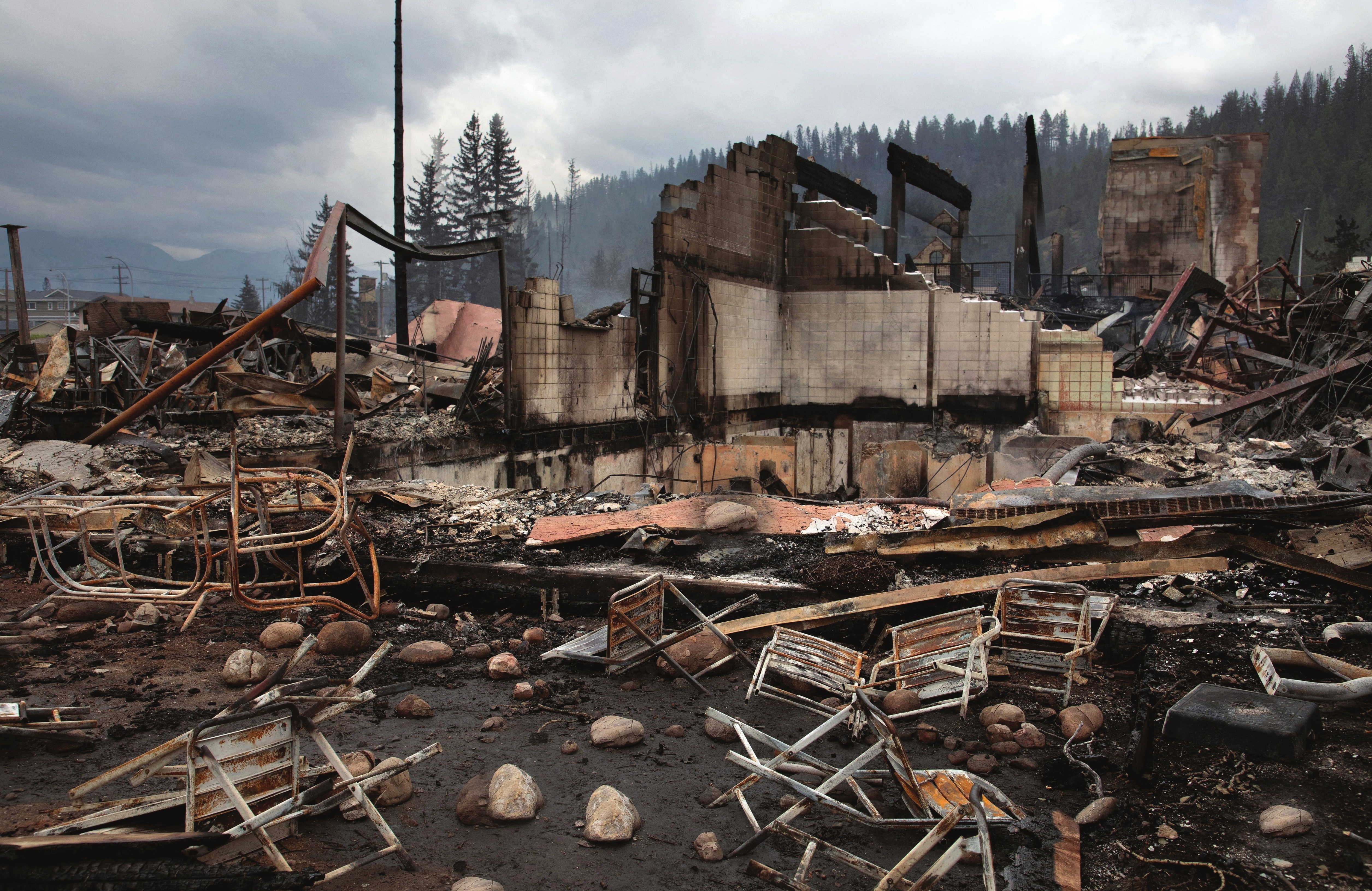
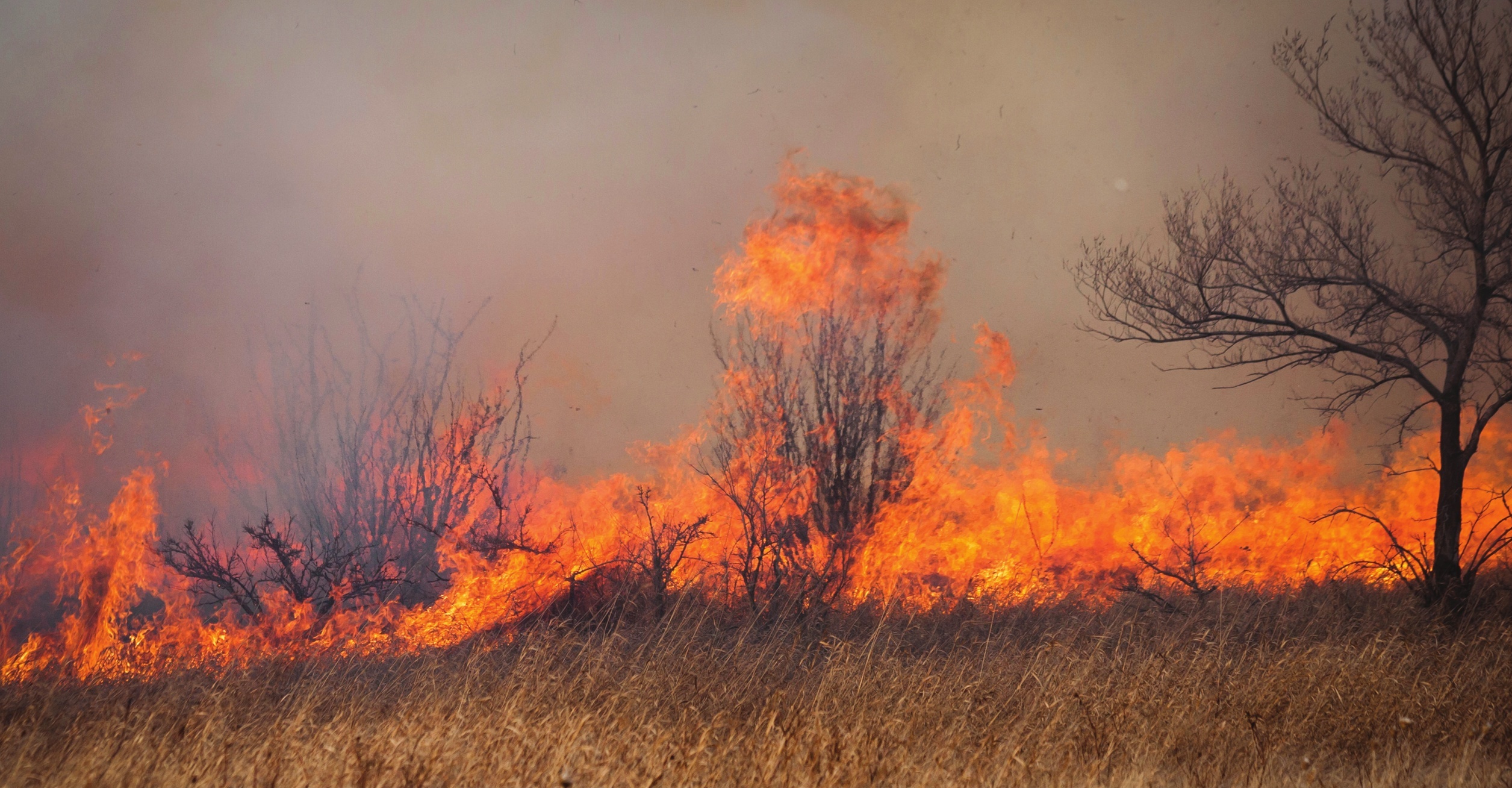
B y June, Canada’s 2025 wildfire season raged at an unprecedented level. About 200 infernos, half out of control, ravaged 2.2 million Prairie and Ontario hectares. Manitoba, followed by Saskatchewan, declared states of emergency. Nearly 35,000 people were evacuated from communities with others on evacuation notice. Environment and Climate Change Canada classified air quality as “hazardous.” Smoke blanketing Canada wafted into the U.S. and Europe.
Months of the threat still lie ahead. Wildfire season runs April to October, destroying millions of hectares, displacing hundreds of thousands of people, decimating wildlife and costing $1 billion annually to battle a disaster many attribute to climate change.
Disasters disproportionately impact First Nations communities. Premier Wab Kinew said “the largest evacuation Manitoba will have seen in most people’s living memory” was underway. Of 22,500 Manitobans already displaced, 17,500 were from First Nations communities.
“The scope and scale of wildfires and other disasters continue to grow exponentially. Historically, communities could manage emergencies with a few dedicated individuals, but today, comprehensive emergency preparedness requires significantly more resources and expertise. H2Safety works closely with communities to build this critical capacity, as many lack the necessary infrastructure and trained personnel,” says Preston Seier, Calgary-based director of Indigenous, community and government relations with H2Safety, which specializes in emergency response management, health safety and environment, and emergency software services. Operating across Canada and in 30 countries, it works with communities, municipalities and industrial sectors, including a high percentage of Canadian oil and gas companies.
“Community readiness varies widely – some communities may have considerable resources due to partnerships with industry, while others need to build from the ground up. At H2Safety, we tailor our approach to meet communities where they are, whether that means initiating foundational emergency planning or enhancing existing strategies to achieve full preparedness and resilience.”
© Colin Dewar / shutterstock.com
In June, the Canadian Association of Fire Chiefs (CAFC) reiterated a decade-long call for a national disaster agency to co-ordinate federal management and emergency response efforts. Its 2024 State of Fire and Emergency in Canada report showed Canada wouldn’t be ready for 2025 wildfire season despite 2023’s record-setting 6,000 wildfires that burned 15 million hectares. It highlighted glaring gaps in co-ordination, funding, policy and strained resources. Nine in 10 of the 3,200 fire departments CAFC represents were involved in wildfire response, with just half equipped to handle wildfire season. One-quarter relied on aging equipment not compliant with required industry standards.
Many of Canada’s 634 First Nations face these same challenges to the response, recovery and rebuilding process. Remote communities also face increased damage, making recovery difficult.
“Every community’s situation is unique. Some may have robust resources from industry partnerships, such as pipeline companies investing proactively in emergency preparedness. Others, however, are starting with very limited infrastructure,” Seier says.
“We see communities at varying levels of readiness, from those needing foundational support to others nearly fully prepared. Given that the nature and scale of natural disasters evolve annually, continuous improvement and adaptability in emergency planning are essential.”
Proactive initiatives include training, awareness, disaster plans and collaboration to empower Indigenous communities to mitigate threats. “Effective emergency management involves proactive planning, specialized training, community-specific awareness initiatives and collaborative strategies. H2Safety is committed to empowering Indigenous communities by building structured frameworks that respect their unique cultural and geographic contexts, ensuring they have robust, actionable plans to manage and mitigate emerging threats,” Seier says.

Preston Seier
Director, Indigenous, Community and Government Relations, H2Safety
“Every community I’ve worked with genuinely seeks to strengthen its emergency preparedness. A deep respect and understanding of the diversity of the communities, cultures and landscapes involved are crucial to effective planning. Emergency management solutions must always be tailored specifically to each community – there truly is no one-size-fits-all approach,” says Seier.
“We frequently see emergency plans provided by external sources that lack cultural and situational sensitivity, effectively limiting their usefulness. At H2Safety, our goal is sovereignty through safety, meaning we work hand-in-hand with Indigenous communities to develop highly customized emergency response plans that genuinely reflect their specific needs, values and circumstances.’’
“H2Safety’s focus extends beyond immediate crisis response to include long-term recovery and resilience-building. We help communities establish organized frameworks to effectively manage the chaos of catastrophic events, facilitate recovery processes and promote community healing and rebuilding efforts,” Seier adds.
Wildfires haven’t hit Alberta’s Piikani First Nation, but the community suffered major flooding in 1995, 2011 and 2015.
“We weren’t prepared,” says Noreen Plain Eagle, Piikani manager of lands and environment. “We were unsure of the resources, and we were not treated the same as our neighbouring communities when our members were displaced. They were better compensated than First Nation communities. When they valued the land, our properties, it wasn’t anywhere near in comparison. Federal funding barriers fell short on funding applications.”
Advertisement
“You know, they define us,” she adds. “Indicate you’re a First Nation community, they expect that we’re under the federal government, under the Crown, and we should automatically be taken care of and don’t have to look for resources. That’s a misinterpretation.”
Traumatized evacuees brought to local towns without resource centres set up to assist them were sent to hotels, in some cases paying with their own credit cards.
“Those are some of the challenges we probably would still face today. We’re not a priority. You talk about Truth and Reconciliation and that doesn’t happen. It’s a fight we have to always put on the table and always create that awareness,” Plain Eagle says.
Piikani now has an emergency operations manager, a position many First Nations facing disasters can’t afford. The community completed a tabletop exercise in June and put together a mock disaster.
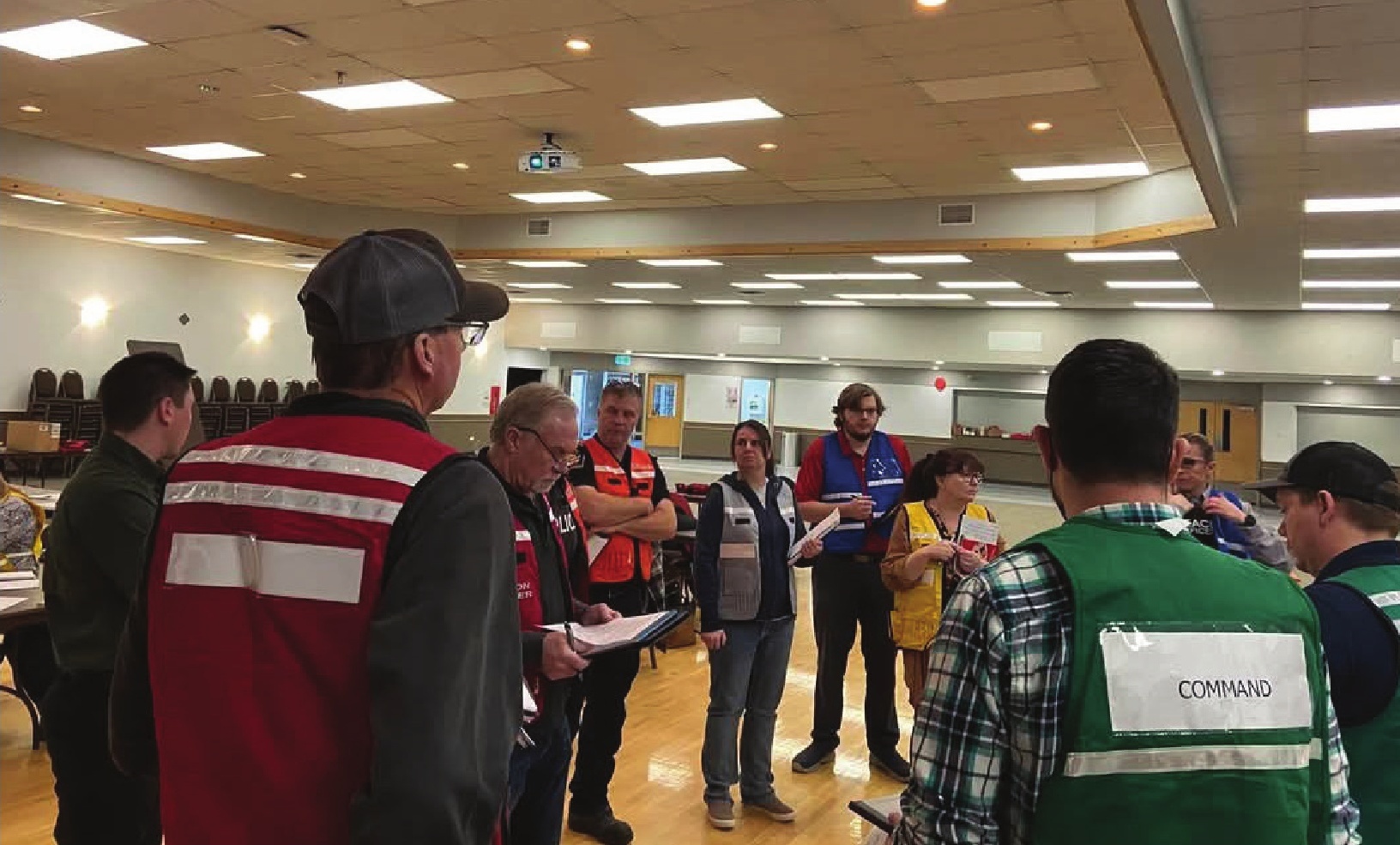
“We identified how every department would play a role. Who had a key role? Who would respond to the emergency? What resources would we have to assist members, determine how, who and where to evacuate dogs, cats and livestock depending on the emergency? We’ve taken the position that we want to and are able to react to situations. Our fire chief stepped up and encouraged our community to be prepared,” says Plain Eagle.
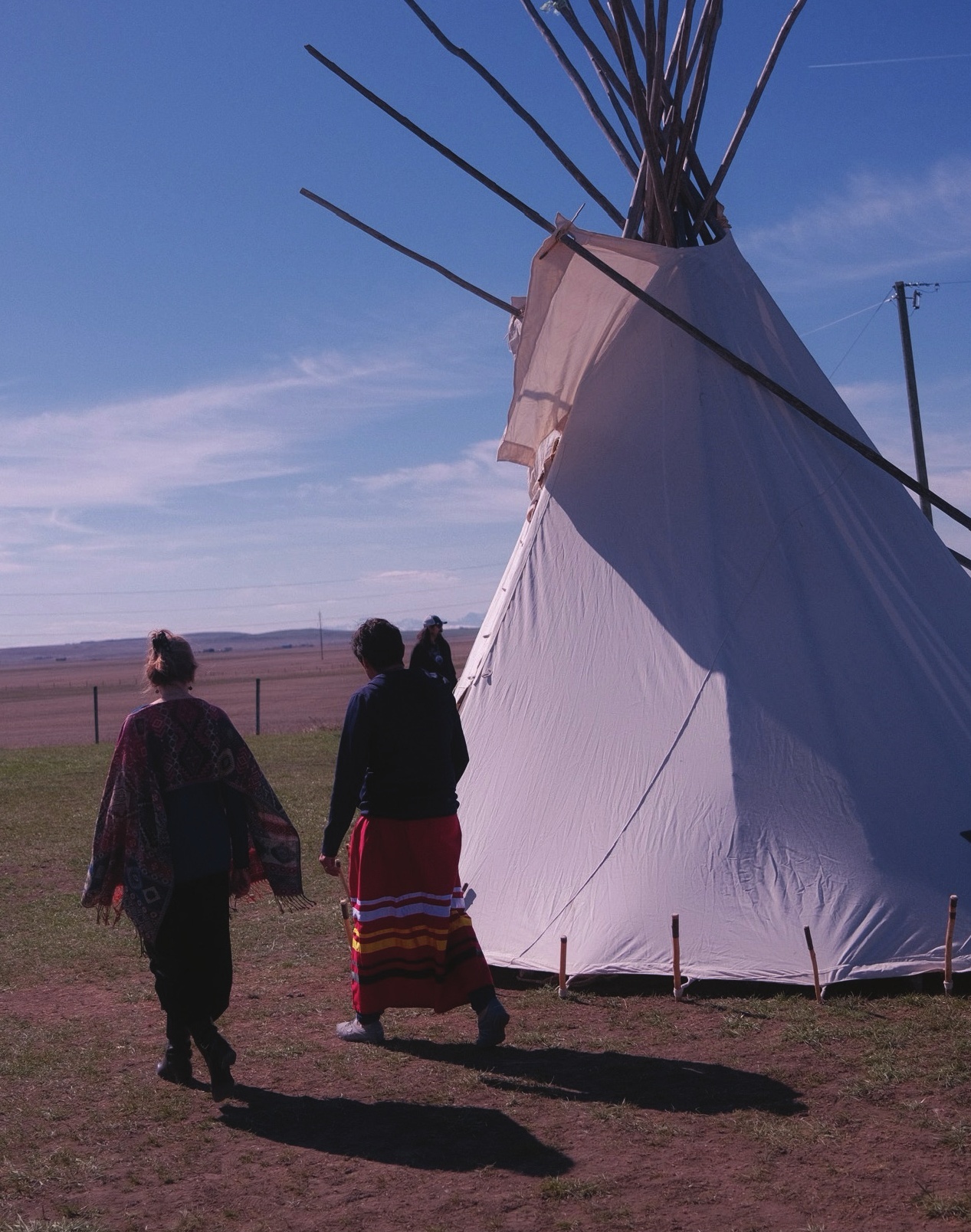
Laura Lynes walks with Noreen Plain Eagle.
© Courtesy ReGeneration Canada
“But we need to be able to have the resources to manage human lives. I guess every community has to take their own initiative to determine how you’re going to take care of your members.”
Plain Eagle is involved with the Resilience Institute, which aims to “reduce barriers to knowledge that could help people navigate the consequences of climate change which we’re seeing play out at warp speed,” says president and CEO Laura Lynes. “The national charitable organization focuses on small, rural and Indigenous communities – because those communities are on the front lines of climate impacts with limited capacity to address the disasters.”
The team advances local “relevant climate change strategies” and readies communities “for the next steps in their resilience journey.”
“If we are going to make a difference in a timely manner, we need to move from planning to action quicker. It is not a good business model to identify risks and then delay planning and action. Especially when communities are at risk of back-to-back climate-induced disasters,” Lynes adds. “People in local communities could also be empowered to do more when a disaster strikes so that their autonomy is not taken away when large agencies come in to help.”
First Nations communities have different perspectives, says Jeff Baker, a Métis, who is Indigenous engagement and education specialist with the institute.


“Indigenous nations have varying degrees of access to and even interest in Indigenous knowledge systems and governance,” says Baker. “From my experience, there are also still many Indigenous nations across Turtle Island who do not believe in or take climate change seriously. Some nations may possess laws or teachings that could be helpful in planning for and/or recovering from emergencies, while others simply may not. For those that do, things like clan systems could be helpful in organizing communication and recovery efforts, for example.”
Baker says the land-based nature of Indigenous knowledge is valuable for response and recovery efforts, such as tracking changes in vegetation, animal populations, drought and water levels and the spread of disease. “Support for hunters, trappers, berry and medicine pickers and others who use the land to routinely collect observations and share them could be very helpful. Knowledge of seasonal changes to landscapes can also be helpful for planning seasonal evacuation routes and establishing muster points.”
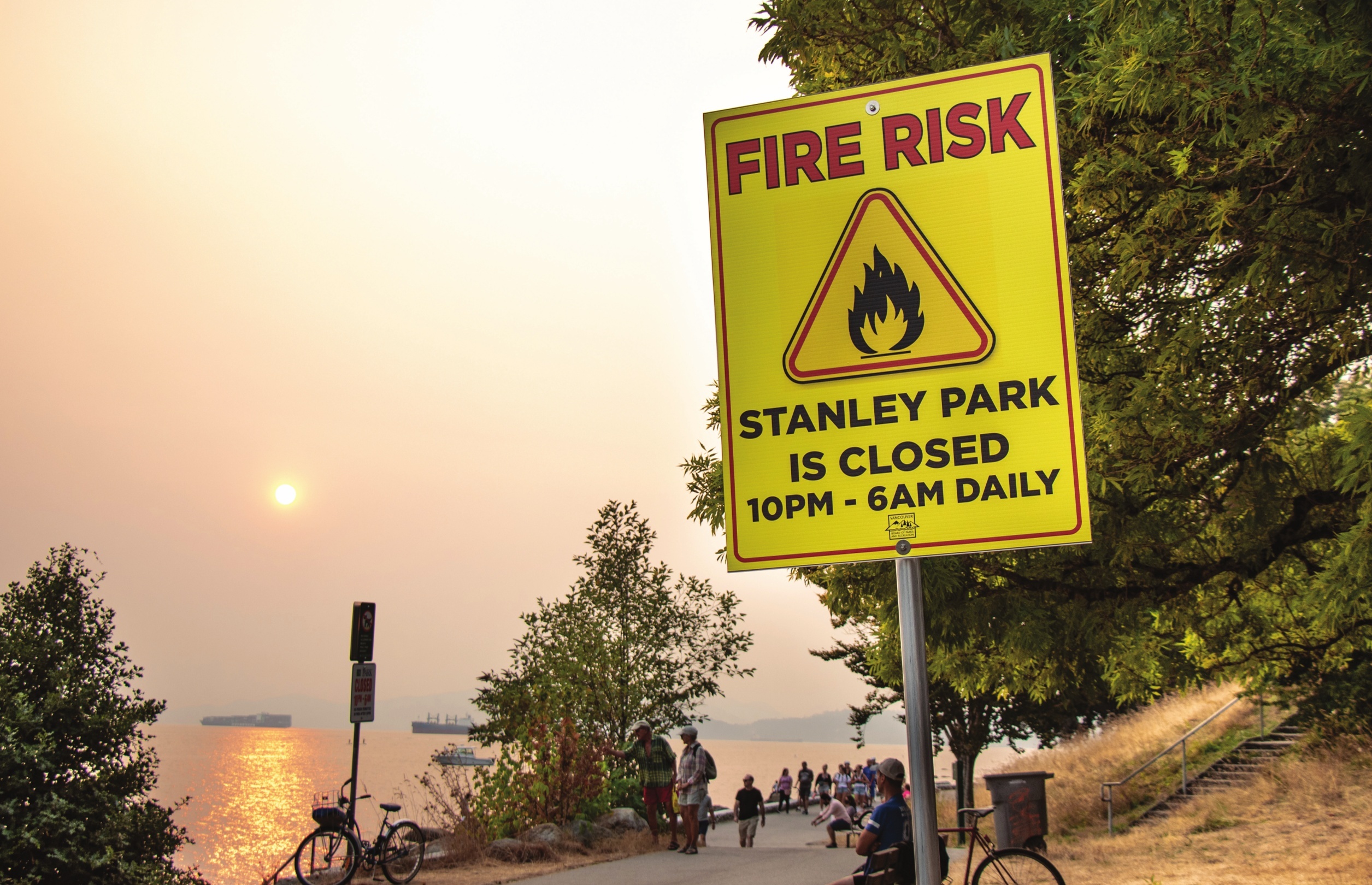
Meanwhile, First Nations that historically carried out prescribed burns, clearing dead vegetation to prevent wildfires, want more autonomy in forestry management decisions controlled by the federal government. Ottawa came under broad criticism for failure to clear 577,000 acres of dead pine in Jasper National Park devastated by merging wildfires in 2024. One-third of Jasper and 39,000 hectares were destroyed.
© Margarita Young / shutterstock.com
Ontario’s First Nations Emergency Response Association (FNERA) focuses on Indigenous-led emergency management in partnership with provincial agencies. But “people, resources and infrastructure are a problem” that makes preparation and mitigation difficult, says emergency management co-ordinator Jamie Scrimger, adding that governments are working “more collaboratively” but there’s a gap with “very short-term” federal funding.
“There’s the lack of resources and a bit of a double standard when it comes to First Nations. They don’t necessarily get the same resources as a municipality. You’re doing strategic planning for multiple years. As well, it’s really hard to run a program year by year. Because funding is short term, we tend to lose a lot of staff. First Nation jobs are seen as more entry-level jobs that pay less.” Delayed response times to remote communities only accessible by air are problematic due to urgency and limited fire-fighting capabilities. “To be able to have a full fire brigade or someone dedicated to that position is difficult,” says Scrimger.
That gap is being addressed by Ontario Fire College-trained First Nations members who teach fire prevention in their communities.
“The Independent First Nation Alliance has put together their own fire crews. Due to the remote locations, they’ve gone on their own and done some amazing stuff,” says Scrimger.
Most Ontario First Nations are located on water systems. “If they have fire-fighting equipment, then they would pump out of the lakes. The infrastructure on most First Nations doesn’t support hydrants to be used.” And non-Indigenous communities also grapple with poor infrastructure and old piping.
Baker says there needs to be a “shift in mindset away from short-term individual financial gain and toward a more collective, longer term vision that respects people and the planet. To me, that is the biggest impediment to emergency management (and climate change in general) that we face.”
© Nmaneer / shutterstock.com
From Risk to Resilience
Using Local Strengths to Improve Emergency Planning
A cross Canada, communities are navigating an increasingly complex risk landscape. Climate change, infrastructure vulnerabilities and social inequities are converging in ways that make preparedness more urgent and more nuanced than ever before. Emergency management must evolve.
Hazard risk and vulnerability assessments (HRVAs) have long served to evaluate exposure to disasters and emergencies. However, as valuable as HRVAs are, they often focus heavily on what communities lack; i.e., gaps in infrastructure, weaknesses in response capacity and vulnerabilities in populations.
But what if we also asked: What do communities already have? What relationships, skills, spaces and resources already exist that can strengthen emergency preparedness and response?
That’s where asset-based community development (ABCD) comes in. By weaving ABCD principles into HRVAs, particularly through a process called asset mapping, emergency managers can build a completer and more empowering picture of community readiness. This article explores how and why integrating ABCD with HRVAs offers a promising path toward stronger, more connected and more resilient communities.
What is an HRVA?
An HRVA is a tool used by emergency workers, city leaders and organizations to find out what problems a community might face in an emergency. It looks at different types of danger, such as natural disasters, accidents or power failures. It also helps estimate how big these problems might be and how they would affect people, buildings and services.
HRVAs usually include three main parts. First is hazard identification, which means figuring out what risks exist. Second is risk analysis, which looks at how likely those risks are and how serious they might be. Third is consequence evaluation, which asks what the consequences would be if those risks happened.

© SFIO CRACHO / shutterstock.com
“These steps are very helpful for emergency planning,” says Peter May, partner and practice area lead for organizational resilience with Trace Associates Inc. “They give leaders a clearer picture of gaps and potential priorities for improvements.” Even so, most HRVAs focus on weaknesses and things that are missing. This can make a community seem helpless or dependent on help from outside.
“That is why it is important to also look at what a community already has. Many people and places have strengths that can make a big difference when something goes wrong. By adding this local knowledge, HRVAs can become more helpful and more hopeful. At the organizational level, HRVAs are powerful tools, but without clear criteria or rigorous data, the quality of the analysis and ultimate value of the information can really suffer,” May says.
What is ABCD?
Asset-based community development (ABCD) is an approach or a way of thinking about communities that focuses on their strengths instead of their problems (or risks). It begins not with needs or issues, but with what is working, and assets, including the existing strengths, resources and relationships in a community.
ABCD is built on a simple but powerful idea: communities are full of potential waiting to be recognized and connected.
At the heart of ABCD is asset mapping, a process that identifies the people, organizations, spaces and systems that can support community well-being. Assets can include:
• Individuals – residents with lived experience, leadership capacity or specialized skills;
• Associations – informal groups like sports teams, cultural clubs or parent associations;
• Institutions – schools, libraries, health clinics and local governments;
• Infrastructure – community halls, transportation routes, equipment or communications systems; and
• Natural resources – water bodies, forests, green spaces and food sources.
Rather than relying solely on external aid or top-down programs, ABCD emphasizes local agency and self-determination. It asks: What can we do with what we already have? Who can we partner with locally to do it better?
ABCD is especially relevant in emergency management. Jeff Donaldson, principal researcher at Preparedness Labs Inc., says that “emergencies often disrupt external systems, making local capacity not just beneficial, but essential. Asset mapping supports communities in identifying and activating local strengths that contribute to preparedness, response and recovery, from volunteer networks and mutual aid groups to trusted community leaders and resilient infrastructure.”
It helps people and organizations know whom they can work with in times of crisis. It also gives a sense of confidence and control to local residents. When people feel like they already have tools to respond, they are more likely to take part in emergency plans.
Why Local Assets Matter in Emergency Planning
Both HRVAs and ABCD try to understand communities. HRVAs look at what could go wrong, while ABCD looks at what is already strong. Combined, they give a more complete picture of how resilient a community is.
“In our experience, especially with municipalities and non-profits in Western Canada, the most effective assessments are the ones that go beyond physical hazards to include social and organizational vulnerabilities and assets. That’s where real resilience lives,” says May.
Incorporating asset mapping into HRVAs enhances emergency planning in several ways:
Identifying What Can Help
Asset mapping allows emergency planners to uncover resources that are already in place in their communities but may not be traditionally counted in emergency inventories. For example:
• Community knowledge
» Elders, cultural leaders or residents with deep local history and knowledge of past emergencies;
• Human resources
» Skilled tradespeople, interpreters, health practitioners or organized youth groups;
• Infrastructure assets
» Accessible community halls, local transportation vehicles or water tanks; and
• Social networks
» Churches, Neighbourhood Watch groups, hobby clubs and service organizations that can mobilize quickly.
These assets don’t just sit idle during an emergency; they become force multipliers when activated and connected, especially in remote or under-resourced areas.
Identifying What Must Be Protected
Asset mapping also helps identify critical or culturally significant resources that must be safeguarded during emergencies, or in some cases, used as an asset for social, economic or environmental response and recovery. These might include:
• Critical infrastructure
» Power stations, water treatment facilities or health clinics;
• Cultural or historic sites
» Sacred spaces, ceremonial grounds or community archives; and
• Environmental assets
» Watersheds, traditional food harvesting zones or biodiversity corridors.
When such assets are documented and integrated into HRVAs, they can guide evacuation routes, priority protection, restoration efforts and investment in mitigation.
Supporting More Informed and Equitable Decisions
The dual lens of HRVAs and asset mapping leads to more informed and community-rooted emergency strategies. Standard HRVAs often focus on hazards and vulnerabilities, but they can miss resources that communities rely on every day. Asset mapping helps fill that gap.
For example, it might reveal that a school gym with backup power could be used as an emergency distribution hub, or that a local trucking company could support supply delivery during a disaster. These kinds of local resources are not always captured in formal emergency plans, but they are vital and can be mapped and shared locally or regionally. By making these community assets visible and accessible, emergency planners can strengthen local response and recovery capacity.
Advertisement
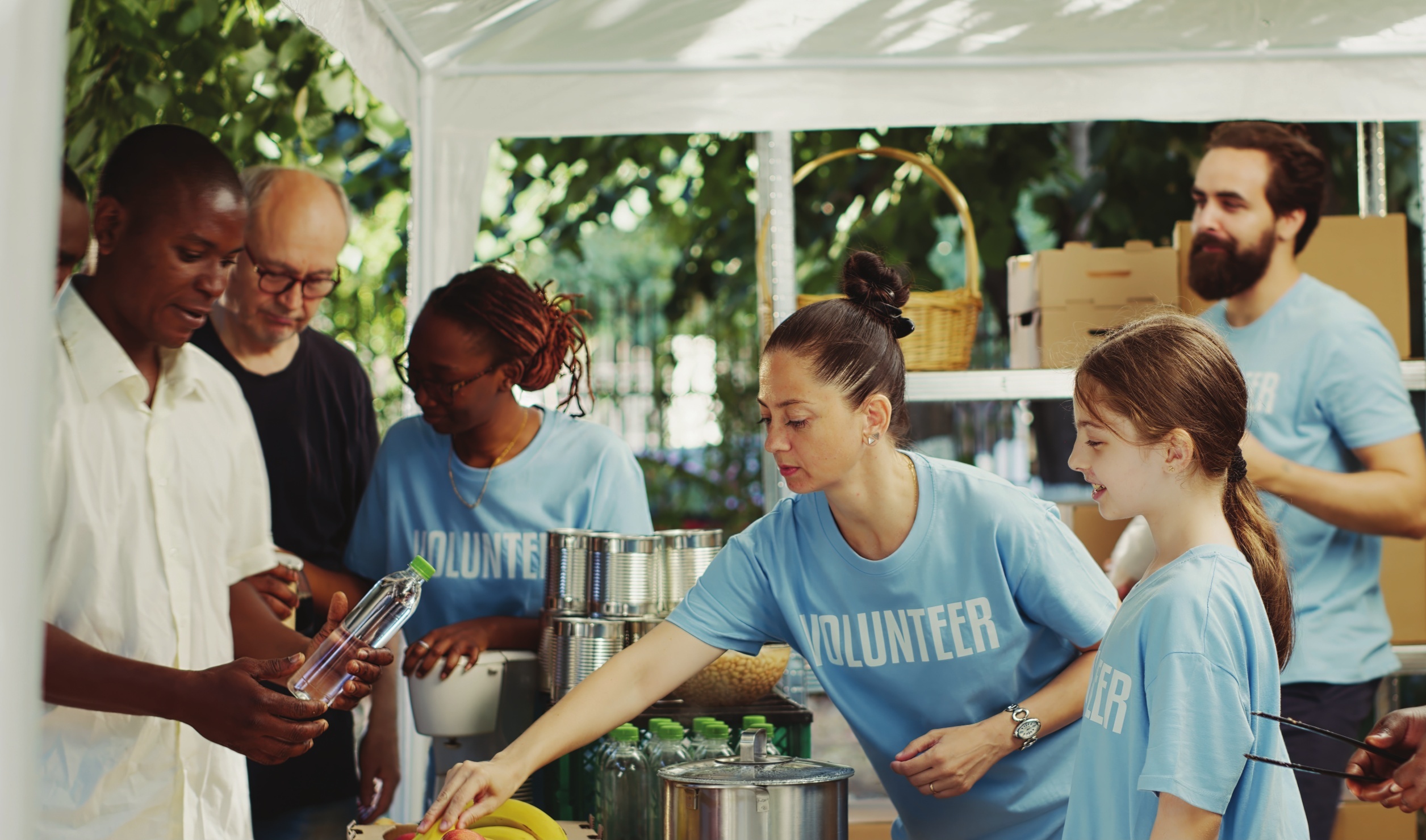
Asset mapping also supports more inclusive and equitable decision-making by involving organizations, locations and networks that are often excluded from formal emergency planning discussions. This could mean recognizing a cultural centre as a trusted place for information sharing or working with a non-profit that serves people with disabilities. “When these assets are identified and engaged, plans become more inclusive and better reflect not only the real needs of the community, but the real strengths as well,” Donaldson says.
By using HRVAs and ABCD, planners gain a clearer picture of where to invest time and resources. For instance, if asset mapping reveals that a community’s only bridge is also its primary evacuation route, risk planners can prioritize redundancy or that route becomes a top priority for protection and planning. If a school is a trusted place for information, it could be used to share emergency updates during a crisis. These decisions are not just practical, they are rooted in the way communities actually function.
Challenges and How to Start
Adding ABCD to HRVA work is helpful, but it does take effort. It takes time to talk with people and build trust. Asset mapping is most valuable when it reflects the lived experience of residents, not just desktop research. Furthermore, asset maps also need to be updated often because people move and organizations evolve. It is also important to involve people in real ways, not just by asking for their opinion but by giving them a real role in planning.
Here are three ways to get started:
1. Add a simple list of local resources and strengths (asset inventory) during the next HRVA update.
2. Talk with local community groups, not just government or emergency staff.
3. Hold meetings, workshops and storytelling sessions that focus on listening to community stories and learning about local leaders, helpers and problem-solvers.
These steps do not need a lot of money or technology. They just need a willingness to see value in the people and places that already exist. “When we bring vulnerability and capacity into the same conversation, we stop seeing communities as problems to fix and start seeing them as partners in preparedness,” Donaldson says.
Emergency management is evolving from top-down control to community-driven collaboration. By combining HRVAs with ABCD and asset mapping, communities get more than a list of risks and problems. They get a picture of who they are, what they have and how they can help one another. This helps emergency planners shift the narrative from one of deficiency to one of capability.
This new way of thinking helps everyone. It helps emergency teams by giving them more tools and support. It helps local leaders by showing them how to connect with people and places that matter. And it helps everyday people by giving them a stronger voice in keeping their community safe.
Every community has assets, something good to offer. It’s time to make those things visible, valued and actionable in the face of crisis. When we do, we move from risk to resilience together.
© DC Studio / shutterstock.com
Prepared Together
A Case Study in Community Readiness
“O verwhelmingly, when we set out to ask local businesses and community organizations if they’d prefer to help or leave during a disaster, they want to help,” says Clint Sime, director of emergency management for the Stettler Regional Emergency Management Agency (SREMA).
Having been deployed to support other Alberta communities during the 2023 wildfire season, Sime experienced first-hand the challenge of securing local resources and supplies without having access to current and accurate contact information – especially in situations where communities have been fully evacuated and external, trained personnel are on site making critical decisions. In that deployment, the logistics section had to reach out to companies and organizations from outside communities, and that “did not sit very well with a lot of the local businesses that literally had equipment and people that would have been more than willing to come and help. We had no method of contacting them because all their phone numbers just went to the shops that were evacuated.”
At that moment, it was clear to Sime that he wanted a different outcome for his community should they ever face something similar.
Located in east-central Alberta, SREMA is a regional partnership between Stettler County (pop.
5,666), the Town of Stettler (pop. 5,695), the villages of Donalda (pop. 226) and Big Valley (pop. 331) and the summer villages of White Sands and Rochon Sands (pop. 271). SREMA covers approximately 4,000 km2 of prime energy (i.e., oil and gas) and agricultural lands subject to hazards such as adverse weather (drought, damaging winds, grassfires, etc.) and industrial accidents (rail, chemical, explosions, etc.).
As a member of the Central Region All-Hazards Incident Management Team (CRAHIMT), Sime is actively involved in regional deployments and exercises, making him acutely aware of the benefits to regional collaboration and co-ordination – not only with the other 60+ members of CRAHIMT from surrounding communities, but also with key businesses and organizations in his own community.
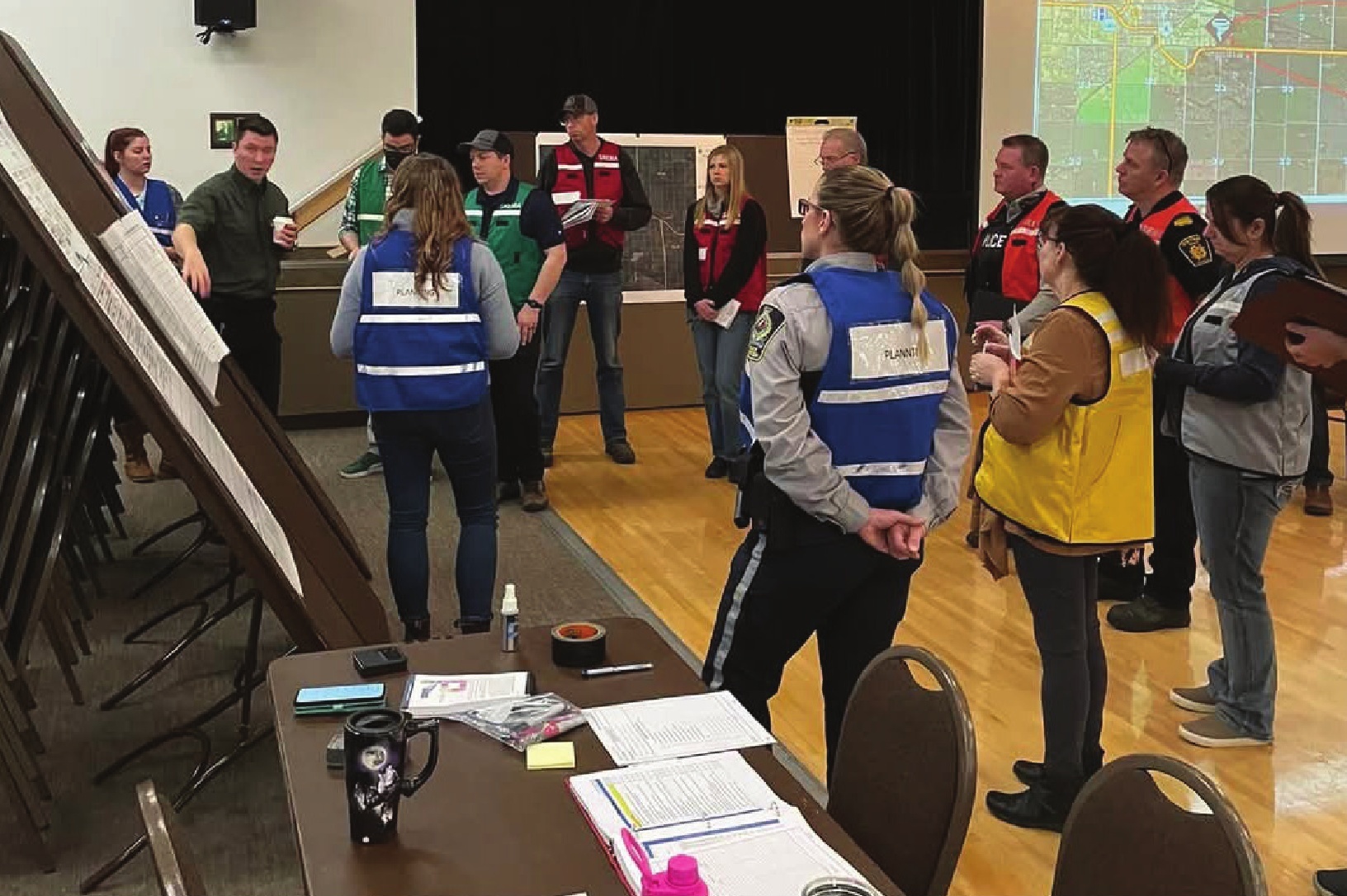
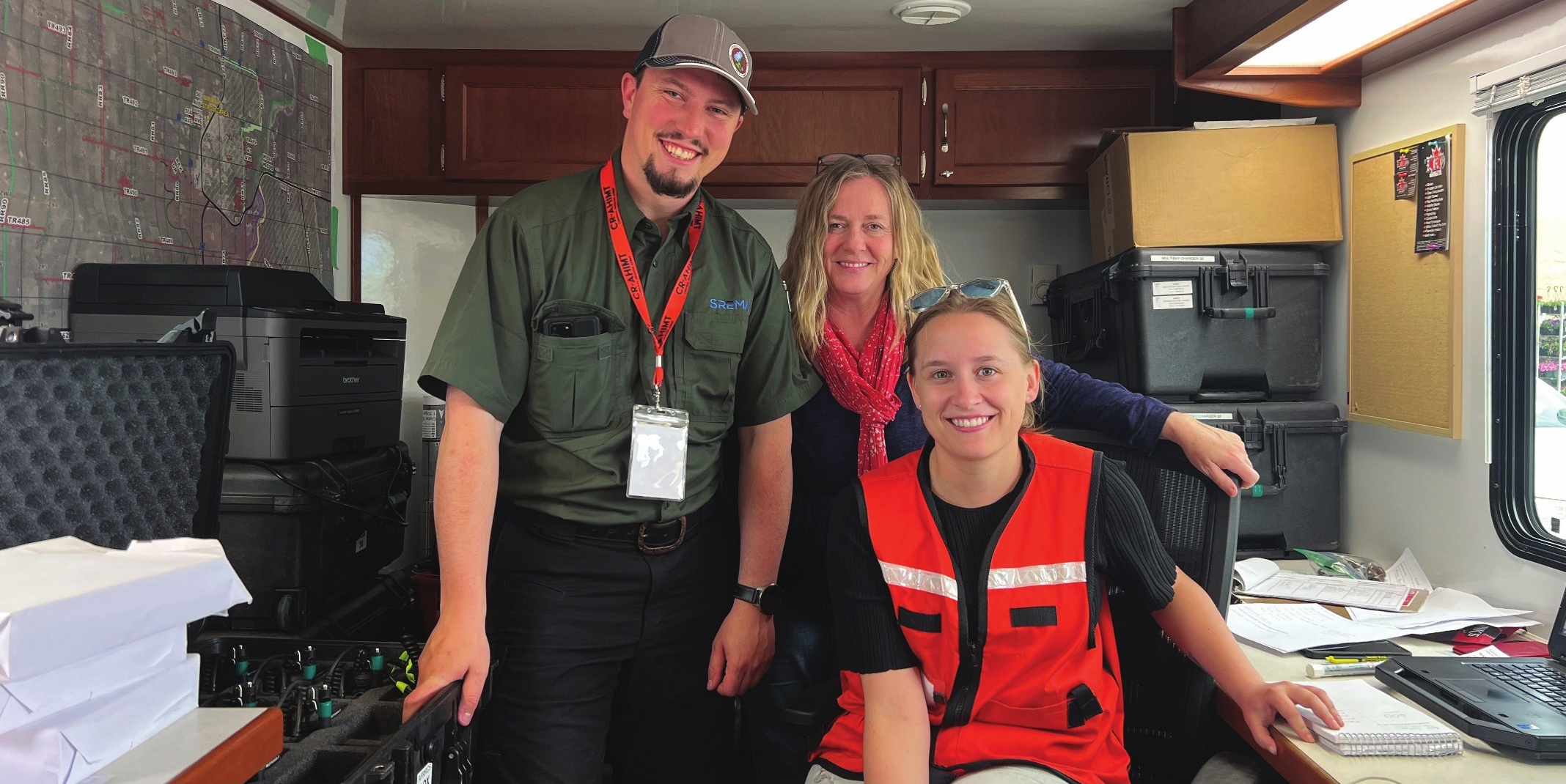
As part of his community-building approach, Sime connected with Byron Geddes, executive director for the Stettler Regional Board of Trade – a fellow champion of regional co-operation and collaboration. With insights from Sime’s assessment of local assets needed to address regional hazards, the two set out to meet with local business and community leaders, often simply walking in the front door to introduce themselves and inviting participation in the local emergency management program.
As they explained the benefits and value of an engaged community in building capacity and resilience, they also offered a quick and easy way to become involved. Armed with a letter of invitation and QR code to sign up for a free local business profile on the EMLCanada platform, businesses and community organizations could initiate building and maintaining their own profile information accessible to SREMA team members and ultimately, other members of CRAHIMT or logistics section supports with the Alberta Emergency Management Agency (AEMA), should external supports be required.
“Local businesses want to be involved in emergency management,” Geddes says. “They don’t want to be standing outside the yellow tape wondering where the trucks and operators inside the disaster zone have come from – especially when they have the same equipment and operators knowledgeable and committed to the community. It does little to stimulate local economic recovery following a disaster or build trust in the community when outside resources are used, knowing local providers can do the same job.”
Eugene Wells is the fire chief and CEO of Global Fire Rescue Service, a local Stettler business.
Abundantly familiar with fire fighting and the gas and oil sector, Wells notes that it’s “huge to have the community involved before something happens. It’s great to get input from the community itself, to create awareness, and it was important to see someone going around to find out what’s going on.” He adds that, “Too often, there is equipment like pumps, generators or trailers sitting in business compounds or on local farms that could be put into use, if only people took the time to know what is available.”
Another key player in Stettler’s emergency management program is the Clearview Public School Division. According to Sime, “schools have access to a tremendous inventory of public amenities and supports, including gymnasiums, commercial kitchens, caring staff and employees and transportation options.” Assistant superintendent of human services Mark Siemens views the school division’s involvement in the local emergency management program as essential to community resilience. “Schools are deeply rooted in their communities, not just as places of learning, but as trusted spaces where people naturally turn during times of crisis,” says Siemens. “At Clearview, we recognize that our infrastructure, staff and connections can be a vital part of a co-ordinated emergency response.”
In Alberta, the Canadian Red Cross is leaning into the value of community preparedness as part of its broader strategic policy agenda with a focus on partnerships to address the increasing financial, social and health impacts of climate change and disasters. Thu Parmar, vice-president, Alberta & Northwest Territories, regularly sees the benefits of supporting resilient communities and advocates for systemic changes necessary to improve response and recovery outcomes.
“At the Canadian Red Cross, we are actively working with private- and public-sector partners to strengthen our focus on preparedness in local communities. In Stettler, local businesses and community organizations have been able to take advantage of our work with Emergency Management Logistics Canada to access free profiles – something that is an important building block for deeper relationship building and engagement,” Parmar says.
Word of Stettler’s community approach to emergency management preparedness is getting around – especially in Alberta, with similar approaches emerging in communities like Banff, Canmore, Rocky View County, Cochrane and the Bow Corridor, Westlock and Fox Creek. Other urban and rural communities are exploring innovative ways to engage with local businesses and organizations as there is growing acknowledgment that government alone cannot supply the resources, knowledge and expertise needed to address the severity and frequency that climate change and risk reduction are having on communities.
Caitlin Miller, director of emergency management for the Town of Canmore, says, “Community engagement and relationship building with local businesses and organizations just makes sense, and the sooner we start the process and build local capacity, the better equipped we will be to address the next disaster. It isn’t a matter of if, but when.”

© OSORIOartist / shutterstock.com
Data is the New Sandbag
Mobilizing Information for Risk Assessment
A cross Canada, emergency managers are seeing it firsthand: fire seasons that seem to span the whole year, one-in-100-year floods arriving every five years and critical infrastructure stretched thin by compounding shocks. In the face of climate volatility and increasingly interconnected risks, dedicated time for preparedness is a luxury as we are in nearly constant response mode.
While sandbags and sirens still matter, a new risk management tool is rising to the surface: data. But the challenge for emergency managers and elected officials isn’t just access to data – it’s using it well. How can we mobilize data in ways that support both objective risk assessment and community perception? And how can this dual approach help us build and sustain truly resilient communities?
From Dormant Data to Resilient Decisions
During a recent keynote session at the Information Systems for Crisis Response and Management Conference, I shared how our Resilience Engine platform exemplifies the next generation of emergency management tools – systems that turn fragmented, dormant data into actionable insight. At its core, Resilience Engine is built to help governments, non-profits and the private sector move forward with facts instead of assumptions.
This shift is both technical and cultural. Many communities have years of under-utilized assessments, outdated risk maps and policy documents gathering dust. Emergency managers and community planners need modern tools that enable a revival in risk informatics and that standardize this information. We need tools that integrate assessments with new data inputs to highlight gaps, visualize threats and define measurable targets for resilience investment.
This emphasis on mobilizing existing data, rather than spinning wheels with only collecting more data, speaks directly to the frustration many emergency managers face. In my experience across over 35 countries, I’ve noted that risk leaders don’t need more raw information – they need better synthesis, visualization and communication tools to make best use of their data.
Perfect is the Enemy of Good
As Voltaire rightly noted, “Perfect is the enemy of good,” with good equating to the public interest in this case. Emergency managers often want to have ideal, comprehensive datasets before making decisions – paralyzed by the assumption that missing data equals flawed planning and bad insight.
But in practice, reasonable confidence backed by strong, imperfect data often outperforms indecision. The legal system doesn’t require absolute certainty – it requires strong evidence. Similarly, emergency management decisions based on the best available data, even if incomplete, are preferable to plans built on instinct or outdated assumptions.
This ethos is at the heart of emerging technology platforms which are designed to deliver trusted, repeatable results in real-world environments – not just academic settings or idealized test beds. As I’ve noted to others, we don’t need perfect data. We need something more reliable than opinion.
Balancing Objective and Perceived Risk
When we effectively use available data, and simultaneously work to improve it, we make better, more transparent and defensible risk management choices. Data-driven emergency management planning requires a nuanced understanding of two risk categories:
1. Objective Risk
This is the data-driven reality: wildfire exposure, historical flood levels, critical infrastructure interdependencies, population density gradients. An objective risk lens helps decision-makers bring consistency to this complex landscape, standardizing formats, conducting comparative analyses and aligning investments with global benchmarks like the Sendai Framework. Here we can complete probabilistic risk assessment and ensure our actions are defensible and align with the objective on-the-ground situation.
2. Perceived Risk
However, objectivity alone doesn’t drive public behaviour and in isolation it shouldn’t drive risk reduction investment. Perceived risk – the emotional, social and cultural dimensions of how communities understand threats – matters in creating and sustaining resilience across scale.
The 2023 CJEM think tank report emphasized this balance, urging governments to pair technical tools with authentic community engagement. Participants noted that data must be made relatable and usable at the local level, not just aggregated in dashboards or buried in reports.
“Digital transformation won’t fix a public trust deficit,” one participant remarked. “We need wisdom in where we utilize data.”
As with early warning systems, with using data in disaster risk management, we cannot fall down at the last mile. Emergency managers, community planners, public works officials, climate adaptation engineers and all those engaged in disaster risk management need a common song sheet. Well-designed data platforms ensure that data can be easily understood without requirements for technical degrees and decades of experience.
Fixing the Five Frictions of EM Data
I believe there are five persistent challenges that limit how data is used in emergency management. These resonate far beyond technology and strike at the governance, ethics and usability of information:
1. Ownership
Legal ambiguity around data rights can delay collaboration. Standardized, de-identified and aggregated data models can help break through bureaucratic impasses.
2. Sharing
Excessive focus on data protection leads to “option myopia,” where risks of sharing outweigh perceived benefits. But in public safety, withholding data can increase vulnerability.
3. Pursuing perfection
Waiting for complete datasets is a luxury that communities at risk can’t afford.
4. Standards
Without common data formats, plentiful data gets mistaken for productive data. Standardization enables automation, filtering and faster integration.
5. Interface
Even the best datasets operate well below their potential without intuitive, user-friendly platforms. A great user experience isn’t a “nice to have” – it’s essential for fast, informed decision-making.
These insights underscore a core truth: resilience isn’t just about having data – it’s about governing it well, designing it accessibly and applying it ethically.
What the CJEM Think Tank Adds
While Resilience Engine exemplifies private-sector innovation, the CJEM think tank report helps root these ideas in broader national policy. It offers several urgent recommendations for Canada’s EM future:
• Create core open datasets related to community demographics, risk profiles and critical infrastructure;
• Develop a national EM data strategy to support provinces, municipalities and Indigenous governments in data-enabled planning;
• Institutionalize after-action reviews and data capture to embed learning and reduce repeat vulnerabilities; and
• Expand digital and data literacy training for EM practitioners, ensuring platforms like Resilience Engine are not only available but usable.
Together, these recommendations show that innovation must be accompanied by capacity building, funding reform and cultural change. Tools don’t work in isolation; they need the right context and competencies to thrive.
From Data to Democracy: Reclaiming Resilience as a Public Good
The most profound shift underway in emergency management may not be technological at all; it may be philosophical. Resilience is no longer just a goal of professionals; it is a shared public good that must be co-created with communities.
This requires breaking the “us vs. them” mindset between governments and residents. As the CJEM report stresses, emergency management must become less technocratic and more democratic, incorporating lived experiences, Indigenous knowledge, youth voices and local leadership into how data is interpreted and decisions are made.
Resilience Engine’s secure sharing features allow stakeholders to track progress, communicate wins and co-ordinate strategies without compromising data privacy. But the platform alone can’t build trust. That comes from transparency, inclusion and accountability.
Advertisement
Conclusion: Mobilizing Insight Before Impact
Despite daily media posts and headlines about new emergencies, public safety is no longer a reactive function and it hasn’t been for quite a while. It is a strategic, data-informed system of anticipatory governance. To succeed, emergency managers must do more than sound alarms. They must share data-driven insight.
Now, and in the coming decades, the communities that thrive will be those that learn to see clearly and act decisively to reduce disaster risk and build resilience. Big data is not a silver bullet, but when deployed wisely, it is one of the sharpest tools we can have in the public safety toolkit.
Objective risk helps us understand what’s likely to happen. Perceived risk helps us understand what people want to do first to deal with it. Together, they form a powerful compass for emergency managers and elected officials navigating the uncertain terrain ahead.
Many countries are limited by capacity for making these adjustments. That’s not the case now in Canada. We have the capacity, talent and tools to lead in this space. But leadership means action. By embracing data-driven disaster management, we can build not only smarter systems but safer communities.
Adam McAllister is the co-founder and CEO of McAllister & Craig Disaster Management and is the national chair for the United Nations private-sector resilience network in Canada (ARISE Canada). With over 20 years of experience managing emergencies and building resilience, Adam has advised governments, utilities and critical infrastructure operators in over 35 countries. He specializes in risk governance, data-driven resilience planning and building practical systems for complex emergencies. As an innovator and seasoned facilitator, Adam is also a frequent speaker on the intersection of public safety, economic stability and community resilience.

© witsarut sakorn / shutterstock.com
Bridging the Gap
The Vital Role of Co-ordination Between Academia, Public Servants and Practitioners
E mergency management (EM) encompasses the collective efforts of academia, research, public service and practitioner communities. These contributions strive to enhance resilience – the ability to mitigate harm from external shocks.
Collaboration is frequently touted as a commonplace occurrence, yet it is actually a rarity. It necessitates the seamless integration of ideas, processes, resources and responsibilities. In practice, what transpires is co-ordination and co-operation.
Academia plays a pivotal role in providing theoretical insights into the causes of events, the variables that influence their severity and the strategies that mitigate negative effects and amplify positive outcomes. Hypotheses are tested as part of an ongoing pursuit of understanding the world, the underlying reasons and the potential for optimizing resource use. Public servants are entrusted with the responsibility of crafting the legislative, regulatory and administrative framework for society, establishing the norms that govern our conduct.
Practitioners are those who translate the academic knowledge acquired through education, within the confines of the rules established by the public service, into practical services for the public. In essence, practitioners are a logical extension of academia, forming a symbiotic relationship that transforms theoretical concepts into actionable response operations. However, the reality is more complex.
EM possesses a substantial body of academic knowledge, a wealth of peer-reviewed publications that, without translation, lack immediate relevance to practitioners. The challenge lies in operationalizing theoretical concepts, bridging the gap between abstract academic articles and the practical guides used by duty officers in operations centres. While annual conferences exist, where papers are presented, panels are heard and fireside chats occur, a permanent conversation is missing, a place where discourse occurs outside LinkedIn. EM lacks an enabling environment where these participants gather to discuss the field, to understand the needs of others and to co-ordinate efforts.
The direction of research is a prime example. The goal of scientific research is to contribute to the body of knowledge, but for a purpose. Studying something for the sake of broadening the concept with little societal benefit is fairly pointless. A question in the field is whether the current ongoing research is tied to the practitioners’ needs. Will the studies’ outcomes solve actual problems occurring in the discipline?
A second example is the drafting of public policy, the frameworks under which the practitioners execute the role. With recent changes in sub-national legislation and regulations in Canada alongside the feedback from the community of practice, it is clear there are significant differences of opinion in the practical application of EM. We’ve seen consulting processes between the field, involved parties, communities and policy advisors, but they often result in the original draft with only minor revisions being tabled in the legislature. The gap between these groups leads to frustration and adversarial relationships.

© Rawpixel.com / shutterstock.com
Practitioners need time to understand the limitations of policy in a democracy and policy advisors should spend time with those who will operate under their guidelines. The field lacks a functional discourse forum for voices to present their ideas and to co-ordinate the ongoing activities. Imagine if there were a place where the academics and researchers would discuss their research plans and, after discussions with the community of practice, adjust to ensure their work will feed the real and current needs of the discipline. This would be a forum where the policy advisors discuss amendments to regulatory and administrative frameworks to ensure the alterations support and positively influence the conduct of EM operations. It would also be an open discussion where the practitioners inform the academics and policymakers what they need, from understanding phenomena to resource allocation and responsibilities.
The EM field is not an anomaly; this lack of intentionally fostering co-ordination and co-operation affects other disciplines. Organizational theory is ripe with examples of fields that suffer similar inefficiencies, where all parties are diligently conducting their lives and professional efforts to achieve different goals. However, there are examples of where this co-ordination does happen. One example is public administration (PADM), where there are regular forums to bring together the academics, researchers, policy experts in government and the political advisors to discuss the health and direction of policy creation, adjustment, incrementalism and co-operation.
© Ekaterina Kolomeets / shutterstock.com
There is a quarterly forum in Ottawa, where senior advisors congregate to discuss the field’s health, ongoing efforts and how best to co-ordinate their limited resources. These senior advisors include assistant and associate deputy ministers (ADM) in the federal government, academic chairs from PADM schools and policy advisors. The conversation is appropriately focused on resources, as they govern decisions, allocation of services and effort across the discipline.
The level of research grants is limited, as are the timeframes available for policy advisors to implement legislative updates, as well as the resources available to the practitioners at the coalface. The co-ordination concerns finding points of leverage and efficiencies where more influential outcomes are possible within the current resource envelope. Imagine if this co-ordination occurred in EM, that research was intentionally directed at solving real-world issues and policies were designed to support the practitioners’ execution role.
One important consideration revolves around governance. As Canada’s constitutional norms support EM as a shared function, there cannot be the imposition of rules and regulations from one level of government to another. The current governance structure in EM is fit for purpose, arguably a gold standard for co-operative federalism. From the senior officials responsible for EM (SOREM) committee to the annual ministers’ meetings, the relationship, co-operation and co-ordination between national and sub-national governments in Canada is to be lauded.
EM provides a critical service to the population, one with ever-increasing levels of demand, without a corresponding increase in resources. While calls for additional funding are consistent, economic realities and competing issues will limit future increased allocations.
Finding efficiencies within resources and operations is essential. That is only possible if the relevant parties speak, engage in conversations and eventually, understand each other’s roles in the field.
This is a call for a national forum for EM, an enabling environment where, on a recurring basis, leaders from academia, researchers, policy advisors and practitioners meet to discuss the health of the field, to understand both the current efforts and future needs of all participants. This forum should be held across the regions on a rotational basis, with publications to the community of practice: this is what we discussed, this is what we believe to be the major issues facing the discipline and this is what we are doing to improve the current environment.
There would then be a practical arena for those in the field, a place for open discourse, assessing the health of the different elements of the community and to advocate for necessary changes in policy to support improved resilience. These conversations occur in other fields; they’ve seen a growth in trust, trustworthiness and stronger social networks that facilitate ongoing post-event conversations. The gap is bridged with intent, not policy intervention.
It will be up to the practitioners whether they heed the researchers’ advice, whether the policy advisers understand the implications of their decisions on the conduct of EM and whether the researchers pursue questions that reflect the community’s needs. The choice is ours to make. We should choose wisely.
© Bob Hilscher / shutterstock.com
Beyond Response
Building a Culture of Preparedness in Canada
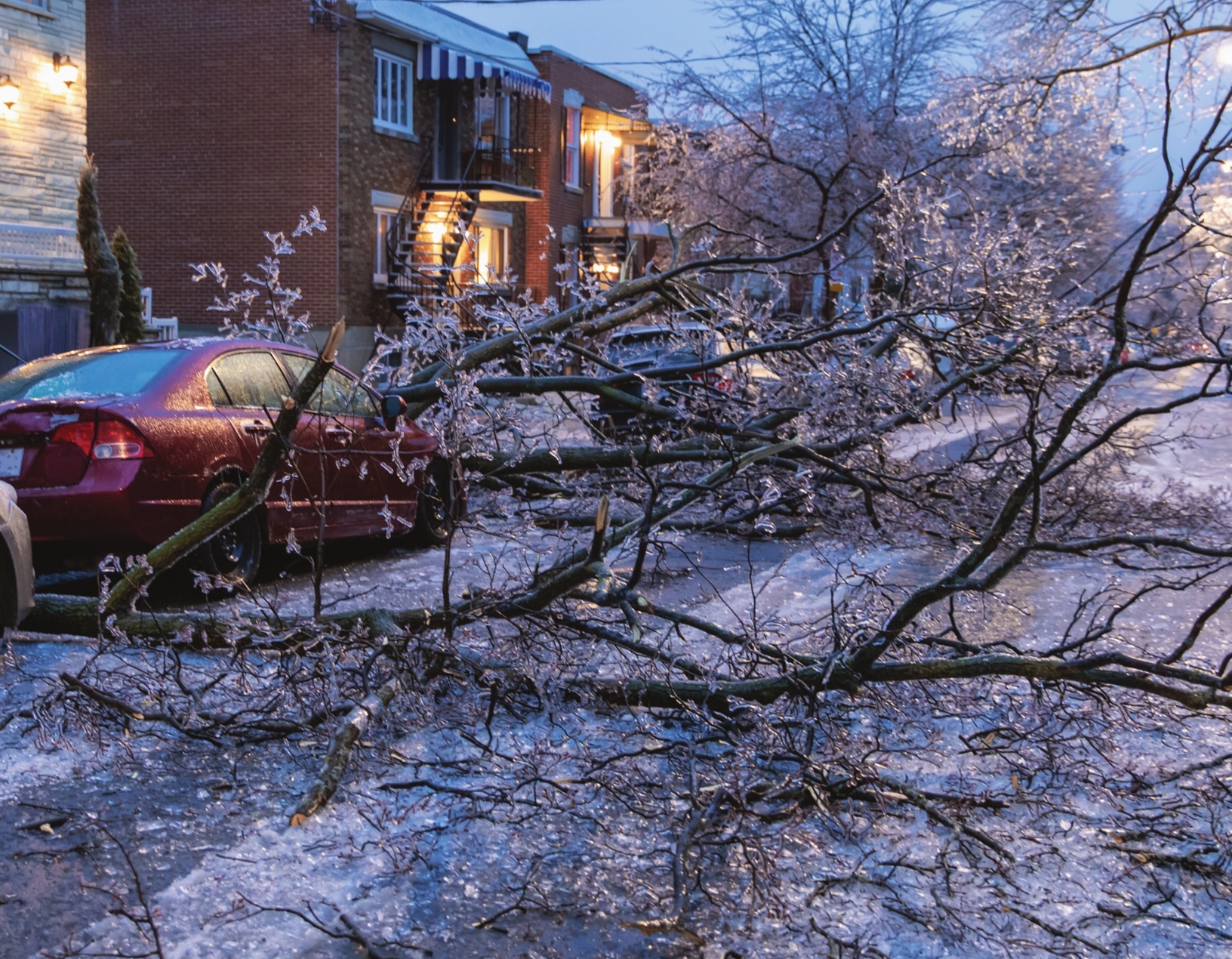
W hen we talk about emergency management in Canada, it’s easy to focus on what happens during or after a disaster. Whether it’s wildfires in British Columbia, floods in Quebec or ice storms in Ontario, much of the conversation tends to revolve around response and recovery. And while those functions are vital, they represent just one part of the picture. The real strength of a resilient nation lies not in how quickly it reacts, but in how well it prepares.
In Canada, there is growing recognition of the need to invest more seriously in preparedness. This doesn’t simply mean having emergency plans on a shelf or running the occasional tabletop exercise. It means embedding a culture of preparedness into the very fabric of how we live, govern and work together.
The Preparedness Imperative
Across Canada, emergency managers at all levels, from municipal co-ordinators in rural communities to federal officials managing national operations, are recognizing that resilience is not something that appears overnight. It is cultivated over time through deliberate and sustained investment in people, partnerships, systems and shared knowledge.
Preparedness is not about fear. It is about readiness, confidence and capacity. It is about ensuring that when disruptions occur, whether they’re driven by climate change, infrastructure failures, pandemics or cyber-threats, we are not scrambling to catch up; we are already moving.
Community and Local Leadership
Across Canada, we are seeing promising community-based initiatives that prioritize local preparedness. In British Columbia, the Neighbourhood Emergency Preparedness Program (NEPP) has empowered residents to organize, train and take ownership of local risk reduction. It is grassroots emergency management at its best: neighbours supporting neighbours, with guidance and support from local emergency programs. In Quebec, municipalities like Sainte-Marthe-sur-le-Lac have worked closely with residents to strengthen flood resilience after the devastating floods of 2019. Community consultations, updated floodplain maps and education campaigns are helping to create informed citizens who understand the risks and their role in preparedness.
Meanwhile, in the North, Indigenous communities are leading efforts to preserve traditional knowledge as part of emergency planning. In Nunavut and the Northwest Territories, this includes integrating land-based knowledge into hazard identification and continuity planning, reinforcing the importance of cultural context in emergency management.
Municipalities remain on the front lines of most emergencies, and their innovation is key. In Calgary, the Disaster Risk Explorer is an open-access tool that allows residents to understand localized hazards and explore mitigation strategies. It is a prime example of transparency and engagement that fosters trust between emergency programs and the public.
Similarly, the City of Vancouver has developed a Resilient Neighbourhoods Program, which encourages residents to work collaboratively on resilience-building projects, from block-level emergency kits to local leadership training. These initiatives reinforce the idea that preparedness is not just the job of emergency professionals. It is a shared responsibility.

© Jaromir Vanek / shutterstock.com
Enabling Resilience Through Collaboration
Businesses are an often overlooked component of emergency preparedness, but they play a critical role in sustaining community resilience. In Alberta, the Business Link initiative, although originally aimed at supporting entrepreneurship, has been adapted by some communities as a channel for promoting business continuity planning. Ensuring that local businesses can withstand and recover from disruptions is essential for both economic recovery and community well-being.
Insurance companies, utilities and large employers are increasingly recognizing the value of investing in resilience. Several power providers in Ontario and Manitoba have adopted predictive modelling tools to assess infrastructure vulnerability to extreme weather. These tools guide proactive maintenance and infrastructure investment, reducing service disruptions during emergencies.
Preparedness must begin early, and education plays a vital role. Programs like the Master of Emergency and Disaster Management at institutions such as York University or the Justice Institute of British Columbia are helping to build the next generation of emergency leaders. But it does not stop at the post-secondary level. In Nova Scotia, the Emergency Management Office has collaborated with schools to introduce age-appropriate disaster risk education. These initiatives help young people understand risks, know what to do in an emergency and become advocates for preparedness in their families.
© Veronique Duplain / shutterstock.com
It is essential that the academic voice continues to be represented in national emergency management conversations. Students bring fresh energy, new ideas and a strong commitment to innovation, qualities that must be embraced to foster a thriving culture of preparedness.
The Role of Government and Strategy
Federal and provincial governments also have a central role in promoting a culture of preparedness. Public Safety Canada’s Emergency Management Strategy for Canada emphasizes the importance of whole-of-society collaboration, risk reduction and continuous learning.
In recent years, we have seen an increase in funding through programs like the Disaster Mitigation and Adaptation Fund (DMAF), which helps communities invest in long-term infrastructure to reduce disaster risk. While funding is never limitless, the strategic use of these resources has helped communities from Atlantic Canada to the Prairies better prepare for flooding, fires and other hazards.
We should also acknowledge the emerging threat landscape. Cyber-resilience is now a key part of emergency preparedness. The Canadian Centre for Cyber Security and the Communications Security Establishment continue to provide critical guidance for public-sector agencies and critical infrastructure partners to navigate this growing challenge.
Advancing the Profession
So where does this leave us as emergency managers? What role can we play in shaping this culture?
First, we must act as champions of collaboration. The best preparedness outcomes come from working across silos: health, transportation, housing, business, education. By connecting stakeholders and building trust, we create systems that can flex under pressure.
Second, we need to keep preparedness practical. Sometimes, the most impactful actions are the simplest: building a family plan, knowing your evacuation route and preparing a go-bag. Helping people see preparedness as manageable and relevant will always be more effective than overwhelming them with technical jargon.
Finally, we must continually advocate for investments in prevention and mitigation. Every dollar spent on these efforts reduces future losses. As professionals, we can help decision-makers understand the long-term value of preparedness, not just as a moral imperative but as a fiscally responsible choice.
Conclusion: Preparedness Is a Mindset
In this first issue of Emergency Manager, it seems fitting to reflect on what truly defines our profession. We are not only responders. We are planners, educators, advocates and bridge builders. Our work touches every part of society, and it carries the responsibility to lead by example.
Preparedness is not a checkbox or a binder on a shelf. It is a mindset. And when we build that mindset into our communities, our workplaces and our institutions, we build a stronger, safer Canada for everyone. Let us keep moving forward together.